Recovery Rhythms: How Rest Periods Shape Outcomes in Football, Tennis, Basketball, and Horse Racing for Precision Picks
Written by Riley Brooks · May 17, 2026
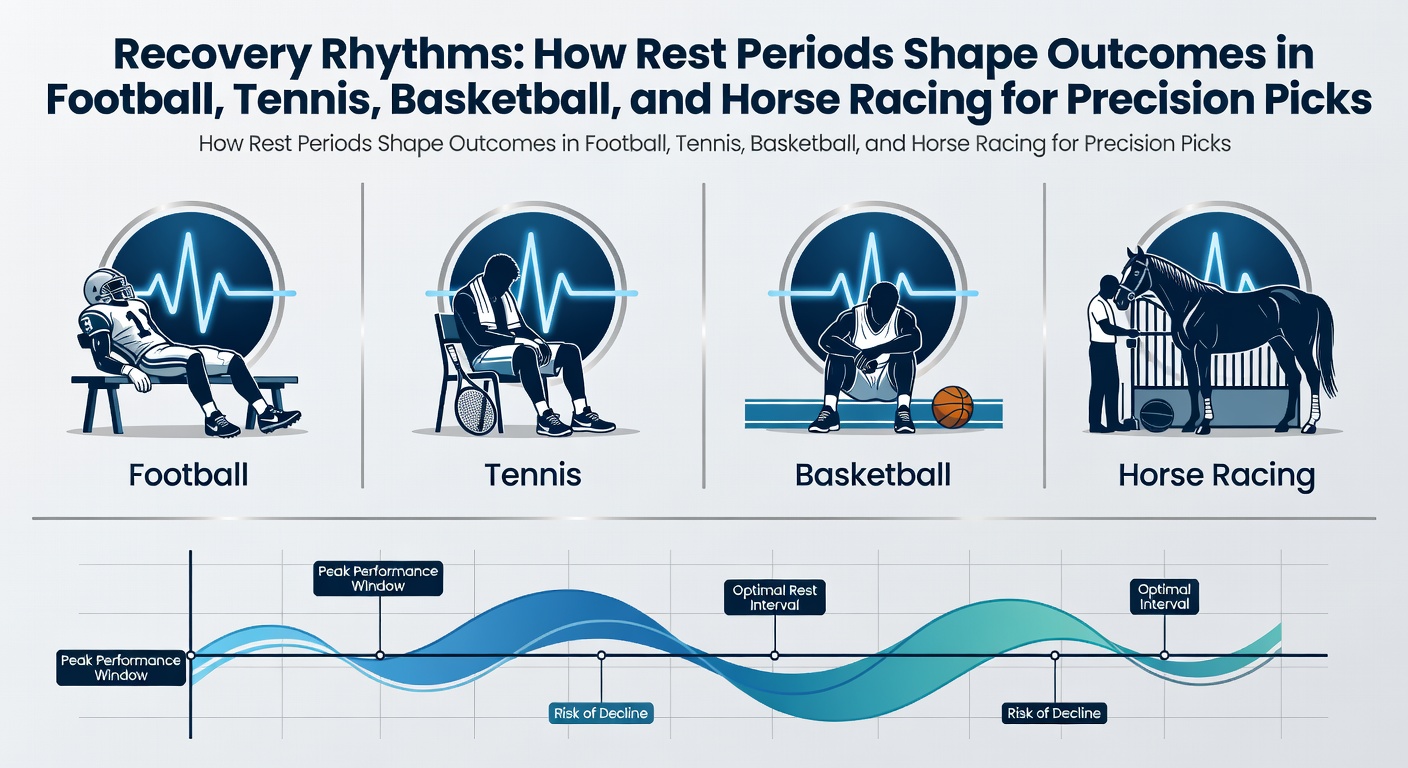
Recovery Rhythms: How Rest Periods Shape Outcomes in Football, Tennis, Basketball, and Horse Racing for Precision Picks
Recovery intervals between matches and races determine performance consistency across football, tennis, basketball, and horse racing, and analysts track these windows closely when building precision selections for accumulators. Data from major competitions shows that teams or individuals returning after two or fewer days of rest post intense efforts post lower win percentages compared with those granted three or more full days, while horse trainers adjust training loads based on similar recovery cycles to maintain peak form on race day.
Football schedules often compress recovery for clubs competing in domestic leagues and European fixtures at the same time, and studies compiled by sports science departments at European universities reveal that players logging under 72 hours between starts record measurable drops in sprint speed and passing accuracy during the second half. In May 2026 several Premier League sides face midweek fixtures followed by weekend matches, creating short turnaround situations that betting models incorporate when weighting home advantage and goal expectancy figures.
Rest Windows in Football and Their Measurable Effects
Coaches rotate squads when rest periods shrink below 48 hours, yet rotation itself introduces unfamiliar partnerships that occasionally offset any physical gains, and historical match data from the past five seasons indicates clean sheet rates decline when defensive units have not trained together for at least two sessions. Analysts cross-reference these patterns with travel distance and altitude changes to refine accumulator selections involving both goals and defensive metrics.
Tennis Scheduling and Recovery Between Rounds
Tennis tournaments compress recovery for players advancing through multiple rounds on consecutive days, and surface type influences how quickly muscles recover after lengthy baseline rallies on clay versus quicker hard courts. Research from the Australian Institute of Sport documents that players granted a full rest day before quarterfinals convert break point opportunities at higher percentages than those competing on back-to-back days, prompting oddsmakers to adjust set handicap lines accordingly when draws tighten in the later stages of Grand Slam events.
Those tracking precision picks monitor medical timeouts and on-court treatment frequency as indirect indicators of accumulated fatigue, because players returning from evening matches that finish after midnight show measurable declines in first serve percentage during afternoon sessions the next day. Tournament directors publish updated schedules daily during May 2026 clay court swing, allowing bettors to identify players with favorable rest differentials before lines move.
Basketball Back-to-Backs and Performance Dips

NBA and EuroLeague teams frequently encounter back-to-back games during the regular season, and league tracking data shows teams playing the second night of such sets allow more points in the paint during the final six minutes of regulation. Load management protocols limit minutes for star players after short rest cycles, shifting betting focus toward role players who receive increased usage and corresponding efficiency gains in those specific matchups.
College basketball conferences adopt similar patterns during conference tournament weeks in March, yet the shorter bench rotations common at that level amplify the impact of any single missed recovery day. Analysts compiling historical box scores note that teams with two or more days between tournament games post higher three-point conversion rates, a trend that carries into professional summer leagues where condensed schedules test recovery capacity year after year.
Horse Racing Turnaround Times and Form Retention
Thoroughbreds require carefully managed intervals between races, and trainers record heart rate recovery metrics alongside weight carried to predict whether a horse will replicate or exceed prior speed figures. Races scheduled within 14 days of a previous start produce variable results depending on distance and track conditions, whereas horses given 21 to 28 days between outings often demonstrate steadier finishing times according to figures maintained by racing authorities in Australia and North America.
Jockey bookings also shift when trainers identify favorable rest cycles, and public form guides list last race dates alongside comments that highlight horses returning after layoffs of 30 days or more. These layoff indicators feed directly into accumulator models focused on each-way placements and forecast combinations, especially during spring festival meetings where multiple cards run on consecutive days through May 2026.
Cross-Sport Patterns and Accumulator Construction
Precision pick strategies integrate rest data from all four sports by weighting each leg according to the documented performance drop-off associated with insufficient recovery, and syndicates share anonymized datasets that combine football fixture congestion indices with tennis recovery logs and basketball load management reports. Such composite models reduce variance when legs from different codes appear in the same accumulator, because correlated fatigue effects across sports tend to offset isolated variance in any single discipline.
Observers note that public betting markets adjust slowly to newly published rest statistics during busy fixture periods, creating temporary inefficiencies that systematic approaches exploit before lines realign. Tournament organizers and league offices release updated calendars weeks ahead, giving analysts time to simulate multiple recovery scenarios and adjust stake distribution accordingly.
Conclusion
Rest periods function as a quantifiable variable that shapes outcomes in football, tennis, basketball, and horse racing, and those constructing precision accumulators incorporate verified recovery windows alongside traditional form and statistical inputs. Continued collection of granular performance data across all four codes supports ongoing refinement of selection criteria, allowing models to account for schedule congestion during peak months such as May 2026 without introducing subjective judgment into the process.